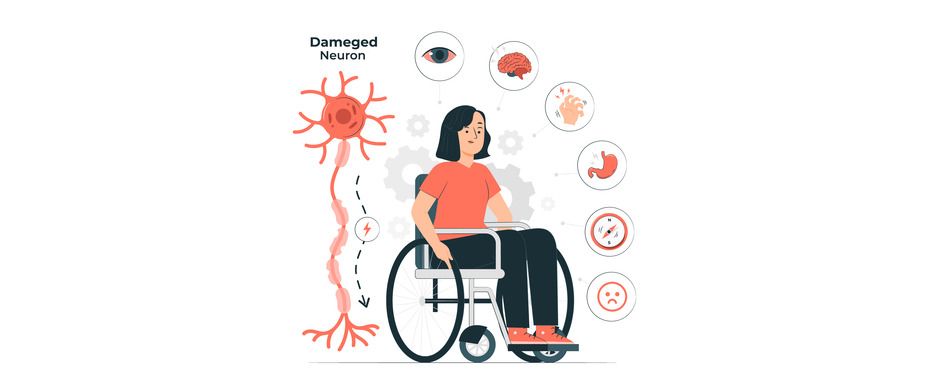
Decoding Dystonia: Unveiling The Symptoms
By Medical Expert Team
May 23 , 2025 | 6 min read

What is Dystonia?
Dystonia is a neurological disorder that affects mobility and posture. Consequently, many people twitch and have uncontrollable muscle spasms. It may cause unwanted muscle contractions, leading to repetitive movements or odd postures.
This disease has been recognised to affect one part of the body (focal), multiple areas next to each other (segmental), or the entire body itself (generalised). The severity of dystonia varies from one patient to another. For some individuals, it may exist as a singular condition, whereas it could be a symptom of another underlying disease for others. Detecting it early helps manage dystonia and treat it among both children and adults.
Common Dystonia Symptoms
Dystonia symptoms are often difficult for most people to identify, and therefore, they are diagnosed late, leading patients to receive delayed treatment. We will now discuss the symptoms to avoid this situation for early diagnosis. Dystonic symptoms include witnessing regular involuntary muscle contractions frequently happening over time.
Sometimes, the patient seems twisted or stuck in unnatural positions. The disorder is also known to cause muscle tremors or spasms, physical pain, discomfort, and impaired speech and swallowing.
- Involuntary Muscle Contractions: Patients with dystonia involuntarily contract their muscles, affecting various body parts. These contractions can last long or occur in cycles, resulting in significant and uncontrollable movement problems. The condition may cause twisting, repetitive movements, or abnormal postures, disrupting daily activities. Stress, fatigue, or specific movements can trigger these symptoms. Treatment options include medications, physical therapy, botulinum toxin injections, or deep brain stimulation. Early diagnosis and tailored treatment plans help manage symptoms effectively and improve the quality of life for those with dystonia.
- Twisting or Abnormal Postures: Patients with dystonia often twist their bodies or assume unusual postures, particularly affecting the neck (cervical dystonia), limbs, or trunk. They may exhibit abnormal, contorted movements or hold positions that are not typical. Without prompt intervention, these twisted positions can become fixed, severely impacting daily functioning and quality of life. Early diagnosis and treatment are crucial to prevent these persistent postures and effectively manage symptoms. Treatment options may include medications, physical therapy, or other interventions to reduce muscle contractions and improve movement control.
- Muscle Tremors or Spasms: Dystonia can cause muscle tremors or spasms, adding complexity to the condition. Patients may experience debilitating spasms that limit their daily activities and disrupt normal functioning. These spasms often occur alongside involuntary muscle contractions, intensifying the impact on the individual’s quality of life. They may affect various body parts, leading to difficulty performing routine tasks and significant discomfort. Effective management involves a combination of treatments, including medications and physical therapy, to alleviate symptoms and improve daily functioning. Prompt and comprehensive care is essential to address both spasms and muscle contractions, enhancing the overall well-being of those affected.
- Pain or Discomfort Associated with Movements: Patients experiencing abnormal muscle contractions and postures often endure significant pain and discomfort, which worsens with movement. They may feel pain ranging from mild to severe, depending on the severity of the condition and the affected areas. Movement exacerbates the pain, making daily activities challenging. The intensity and nature of the pain can vary widely among individuals, but it generally impacts their quality of life. Managing the discomfort typically involves addressing the underlying cause through various treatments, including medications, physical therapy, and lifestyle adjustments, to help alleviate the pain and improve mobility.
- Impaired Speech or Swallowing: The muscles used for speech and swallowing make this disorder more impeding. This leads to dysarthria (mumbled speech) along with dysphagia (difficulty swallowing).
Know more about Chorea
Recognising Dystonia Symptoms
- Understanding the onset of symptoms: Dystonia can appear at any age, starting gradually and worsening over time. Patients may notice subtle muscle control or movement changes, which can progressively intensify. Identifying the disorder early allows patients and families to manage it more effectively. Early diagnosis enables healthcare professionals to implement appropriate treatments and interventions sooner, potentially slowing the progression and improving overall quality of life. By recognising symptoms early, patients can receive tailored care and support, and families can better understand and cope with the challenges posed by dystonia.
- Identifying particular muscle contraction patterns: Research shows that each type of dystonia has a unique pattern of muscle contractions. Identifying these patterns helps differentiate dystonia from other movement disorders. By studying the specific muscle contraction patterns associated with various forms of dystonia, medical professionals can improve their diagnostic accuracy and provide more targeted treatments. Understanding these patterns also enables clinicians to recognise dystonia early and distinguish it from similar conditions. This knowledge supports more effective management strategies and enhances the overall care for patients experiencing movement disorders. Accurate identification of contraction patterns plays a crucial role in optimising patient outcomes.
- Tracking movement and posture changes: To diagnose dystonia, track the patient’s movements and body positions over time. Observing these changes can provide valuable insights into the condition. Maintain a detailed symptom diary to record occurrences and patterns of muscle contractions or abnormal postures. Use this diary during medical consultations to help healthcare professionals understand the frequency and impact of the symptoms. This proactive approach supports accurate diagnosis and effective treatment planning, allowing for timely interventions to manage dystonia and improve the patient's quality of life. Regular updates and consistent documentation are crucial in monitoring the condition’s progression and response to treatment.
- Visiting a health care provider to get a proper diagnosis: Dystonia cannot be confirmed except by professional assessment, which will also exclude other conditions. Neurologists perform comprehensive assessments, including physical examinations, and review patients’ medical histories to reach conclusions.
When do I see a doctor?
If someone you know or yourself experiences constant or serious involuntary muscle contractions, unusual postures or any of those signs mentioned above about dystonia, then visit your healthcare expert. An early diagnosis is very instrumental towards getting better treatment outcomes for dystonia.
Conclusion
Dystonia is a neurological disorder that hinders and impacts movement. However, if detected early enough, it can make all the difference. If you think you or your loved one may be displaying signs of this ailment, it is better to consult health workers early. This will improve your chances for better treatment plans and quality of life.
Frequently Asked Questions
1. Can dystonia affect any part of the body?
Yes, dystonia may affect any body part like the neck, face, limbs and torso.
2. Are there any specific triggers for dystonia symptoms?
While triggers vary greatly in each case, they can involve stress, fatigue or particular movements/postures.
3. How is dystonia diagnosed?
Diagnosis involves detailed medical history, physical examination, and, at times, genetic testing or imaging studies.
4. Is dystonia a progressive condition?
Dystonia can progress; hence, its rate and extent differ, especially between patients.
5. What treatment options are available for dystonia symptoms?
In severe situations, medications are available, including botulinum toxin injections (Botox); therapeutic exercises are performed after medication intake, while surgical interventions might come in when the condition has become extreme.
6. Can dystonia symptoms be managed with medication?
Yes, medications do help manage dystonic symptoms, but their effectiveness varies.
7. Are there any lifestyle changes that can help alleviate dystonia symptoms?
Lifestyle changes such as managing stress, regular exercising and altering posture, among others, could improve dystonia.
8. What role does physical therapy play in managing dystonia?
Physical therapy can improve muscle control in patients with this condition, which also helps reduce pain and improve mobility generally.
9. Is dystonia commonly misdiagnosed as another condition?
Since dystonia has complex symptoms, it could be misdiagnosed as other movement disorders.
10. Who treats dystonia?
Neurologists, especially those specialising in movement disorders, can treat dystonia.

Related Blogs
Dr. Pradyumna J. Oak In Centre for Neurosciences
Dec 26 , 2025 | 7 min read
Dr. Amol Patil In Centre for Neurosciences
Jul 02 , 2025 | 5 min read

Dr. Rajan Shah In Centre for Neurosciences
May 29 , 2025 | 5 min read
Blogs by Doctor

Bariatric Surgery: How does it Helps to Fight With Cancer?
Medical Expert Team
Apr 24 , 2023 | 2 min read

Gastrointestinal Diseases: Common Issues in Women & Its Symptoms
Medical Expert Team
Apr 24 , 2023 | 4 min read

Alternative Cancer Treatment in India: How Effective is it ?
Medical Expert Team
Apr 24 , 2023 | 3 min read
Most read Blogs



Related Blogs
Dr. Pradyumna J. Oak In Centre for Neurosciences
Dec 26 , 2025 | 7 min read
Dr. Amol Patil In Centre for Neurosciences
Jul 02 , 2025 | 5 min read
Dr. Rajan Shah In Centre for Neurosciences
May 29 , 2025 | 5 min read
Blogs by Doctor
Bariatric Surgery: How does it Helps to Fight With Cancer?
Medical Expert Team
Apr 24 , 2023 | 2 min read
Gastrointestinal Diseases: Common Issues in Women & Its Symptoms
Medical Expert Team
Apr 24 , 2023 | 4 min read
Alternative Cancer Treatment in India: How Effective is it ?
Medical Expert Team
Apr 24 , 2023 | 3 min read
Most read Blogs